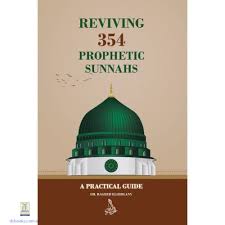
The Prophetic Sunnah is the second source of Islamic legislation after the Qur’an, and it provides a practical guide on how to implement Allah’s commands and prohibitions in the daily life of a Muslim. Allah created the Prophet ﷺ as a perfect example for humanity, to serve as a living model for worship, social interactions, ethics, and daily behavior. The Qur’an emphasizes the importance of following the Prophet ﷺ, saying, “Indeed in the Messenger of Allah you have an excellent example for whoever has hope in Allah and the Last Day” (Qur’an 33:21), highlighting that his life and practical actions serve as a reference for understanding and applying Islam in reality.
The Sunnah encompasses all aspects of life. It covers acts of worship such as prayer, fasting, zakah, and pilgrimage, detailing the proper way to perform them while guiding the believer towards spiritual and physical balance. It also covers daily behaviors, interpersonal interactions, morality, and social conduct. The Prophet ﷺ combined worship with action, mercy with justice, and patience with firmness, establishing a practical model for a balanced life. He said, “The most complete of the believers in faith is the one with the best character” (reported by At-Tirmidhi), indicating that religion is not merely ritual acts but also ethics and daily conduct that shape how one interacts with others and life itself.
Following the Sunnah enables a Muslim to live an organized life, balancing the spiritual and physical, work and rest, and personal rights with the rights of others. The Prophet ﷺ treated people with mercy and justice, ensuring public welfare, and he instructed his companions to uphold honesty and integrity in all matters. Truthfulness and trustworthiness are part of the Sunnah that regulate both individual and societal life, as he said, “Truthfulness leads to righteousness, and righteousness leads to Paradise” (reported by Bukhari and Muslim). Similarly, the Sunnah teaches patience and resilience in facing hardships. The Prophet ﷺ endured persecution and difficulties in Mecca with wisdom and gentleness, showing how a believer can navigate daily life with a tranquil heart and balanced mind.
The Prophetic Sunnah also guides Muslims toward moderation in all aspects of life, avoiding extremes in worship at the expense of worldly responsibilities, and not neglecting spiritual duties due to worldly concerns. The Prophet ﷺ balanced worship with daily responsibilities, social duties with spiritual obligations. Moreover, the Sunnah provides a practical model for treating others with kindness and respect, encouraging benevolence to neighbors, caring for family, and contributing to the community, creating a harmonious and happy life and a cohesive, cooperative society. The Prophet ﷺ said, “The example of the believers in their mutual love, mercy, and compassion is like one body: if one part suffers, the whole body responds with sleeplessness and fever” (reported by Bukhari and Muslim), highlighting the importance of cooperation and mercy among community members. This demonstrates that the Sunnah serves as a practical guide for every Muslim seeking a balanced life.
Ultimately, the Prophetic Sunnah is not merely historical narrative or stories to read; it is a clear and practical methodology for applying Islam in daily life. It teaches us how to pray, work, interact with others, and organize our lives with mercy, justice, honesty, and patience. Whoever follows the Prophet ﷺ in all aspects of life will find their life balanced, full of contentment and happiness, realizing that Islam is not only about ritual acts but a complete way of life linking the spiritual and physical, the individual and society, the worldly life and the Hereafter. The Sunnah thus becomes a practical model for every Muslim striving for a complete and purposeful life.