Mercy is one of the highest human values in Islam, and it is an attribute of Allah, the Exalted, who says about Himself: “My mercy encompasses all things” [Al-A’raf: 156]. This mercy extends to all creatures, calling on Muslims to be compassionate toward others—whether human beings, animals, or the environment around them. Mercy in Islam is not merely a feeling of kindness; it is a practice and behavior reflected in all daily actions.
The Prophet ﷺ was the living example of mercy. Allah says about him: “And We have not sent you except as a mercy to the worlds” [Al-Anbiya: 107]. This verse emphasizes that mercy is central to his mission, and every Muslim is required to emulate him in dealings with others. Mercy is manifested in forgiving those who wrong us, helping those in need, being gentle with the weak, and even in how we treat animals and nature.
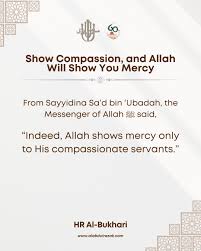
Mercy directly impacts both individual life and society. A merciful Muslim lives a calmer and more content life because they avoid hatred and anger and strive to spread love and peace around them. The Prophet ﷺ said: “The merciful will be shown mercy”, meaning that those who are compassionate will receive mercy from Allah and people, strengthening human relationships and societal bonds.
To become compassionate, one must start with oneself. A Muslim who forgives their own mistakes and treats themselves kindly is more capable of showing mercy to others. Mercy can be practiced daily through kind words, cooperation, helping those in need, showing gentleness toward the weak, and forgiving those who err. Mercy also extends to the environment; Islam teaches the preservation of the earth, water, plants, and animals, as all of this reflects the mercy Allah has placed in the universe.
On a social level, mercy prevents injustice and promotes justice and love among people. A community of merciful Muslims is more cohesive and secure, as everyone strives to respect the rights of others and act in accordance with Allah’s guidance. Mercy helps resolve conflicts in a civilized manner and prevents the spread of hatred and resentment.
In conclusion, mercy in Islam is a core attribute that embodies the highest ethical and human values. A merciful Muslim does not limit their mercy to those they love but extends it to everyone. They live a balanced life, strengthen social bonds, and spread peace and love within society and the world. Mercy allows a person to become the best version of themselves, harmonizing their relationship with God and society while contributing to a kinder, more compassionate world.