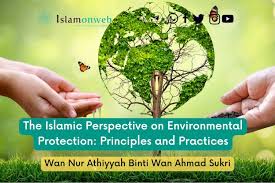
Islam is a religion that pays great attention to all aspects of life, including nature and the environment. Allah created the Earth and everything on it for humans to inhabit and benefit from, but He also set rules to protect the ecological balance and ensure that resources are preserved for future generations. From this perspective, protecting the environment in Islam is not optional—it is both a duty and a responsibility for every Muslim.
The Qur’an emphasizes preserving the natural balance and avoiding wastefulness. Allah says: “Do not be wasteful; indeed, He does not love the wasteful” [Al-A’raf: 31]. This verse clearly indicates that excessive use of natural resources or harming the Earth is prohibited, and moderation in consumption is a characteristic of the faithful. Allah also says: “And He has placed on the earth firmly set mountains, rivers, and fruits for you, and cattle for your benefit” [An-Nahl: 5], highlighting that everything on Earth is a trust that must be used wisely.
Islam also emphasizes respect for all creatures and forbids harming them. The Prophet ﷺ said: “He who does not show mercy to people will not be shown mercy”, which includes all living beings. Mercy is demonstrated by not killing animals without cause, not cutting down trees unnecessarily, and preserving water, air, and natural resources from pollution. All of these actions are considered acts of worship because humans are accountable for the Earth entrusted to them.
Environmental protection has direct effects on human health and society. Pollution and neglect lead to the spread of diseases, depletion of resources, and increased natural disasters. Islam places humans as caretakers of the Earth, responsible for maintaining balance between using resources and preserving them, thereby ensuring a healthy and safe society. Allah says: “Do not cause corruption on the earth after it has been set in order” [Al-A’raf: 56], emphasizing the duty to maintain and improve the Earth rather than harm it.
Furthermore, Islam encourages agriculture, preserving forests, and protecting water bodies, considering them part of worship and public service. Environmental sustainability and natural balance are not luxuries; they are religious and moral responsibilities. Applying Islamic values in daily life—such as conserving water and energy, reducing waste, and planting trees—is a way of fulfilling God’s commandments while actively protecting the environment.
In conclusion, protecting the environment in Islam is both a duty and a responsibility because it is the right of the Earth and of future generations. A Muslim who follows these principles achieves balance between daily acts of worship and stewardship of God’s creation, becoming a responsible individual who spreads goodness and leaves the Earth healthy and sustainable for generations to come, in accordance with the Qur’an and the teachings of the Prophet ﷺ.